
Posts
What to Know Before You Go to St. John, USVI: A First-Timer's Honest Guide
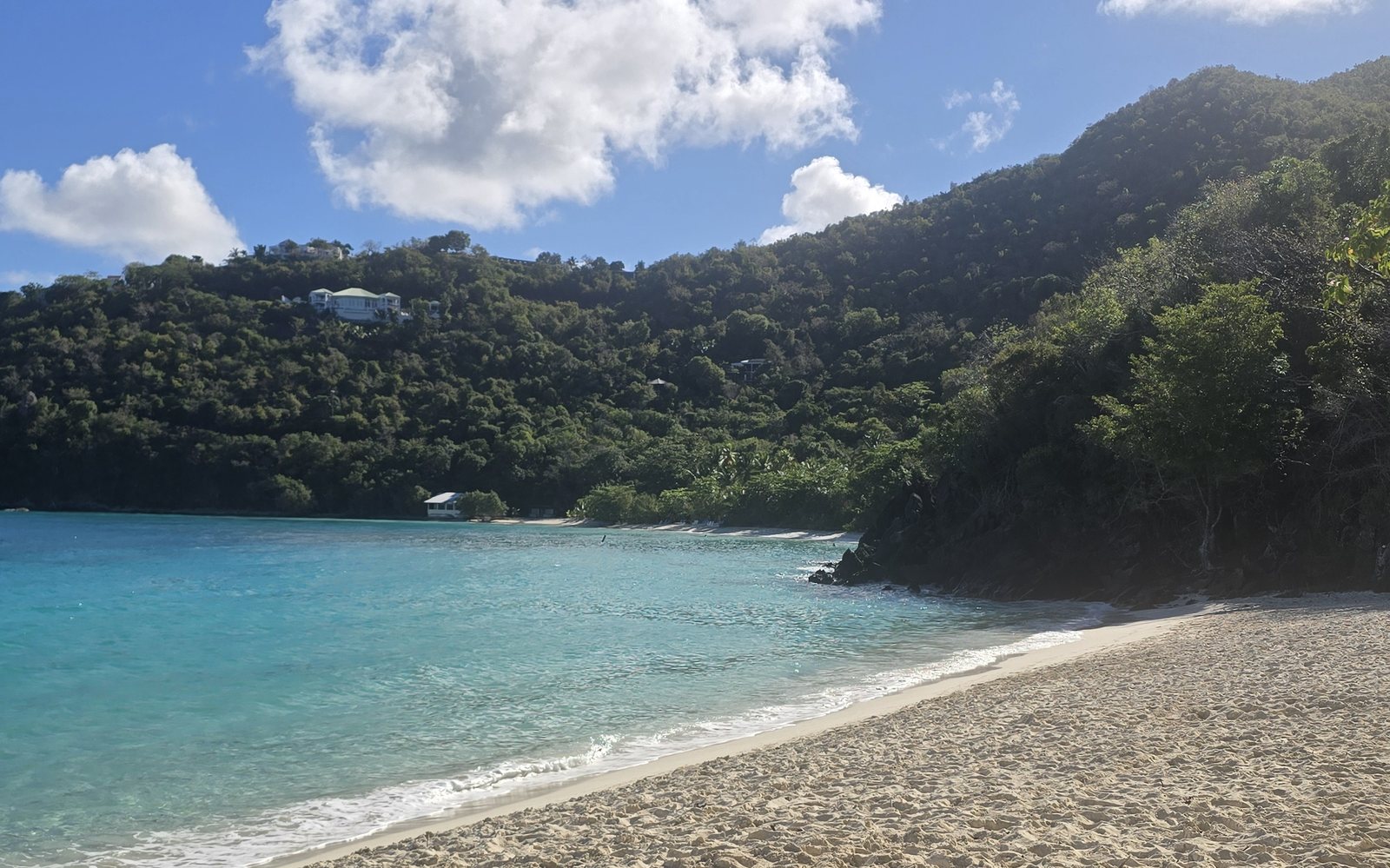
What to know before going to St. John, USVI: there is no airport on St. John, so every visitor arrives by ferry, and about two-thirds of the island is protected National Park land with its own rules about where you can anchor, snorkel, and camp. Get those two facts into your planning early, and the rest of the trip comes together smoothly.
Quick answer: Fly into Cyril E. King Airport on St. Thomas, take a taxi or shuttle to Red Hook, board the passenger ferry to Cruz Bay, rent a Jeep, and drive on the left. Budget about 90 minutes from wheels-down to villa door on a straightforward day.
Getting Here: The Ferry Leg Everyone Underestimates
Your flight lands at Cyril E. King Airport on St. Thomas. From there, you have two ferry options: the Red Hook ferry from the east end of St. Thomas, or the Charlotte Amalie ferry from downtown. Red Hook runs more frequently throughout the day and is the route we recommend for most guests. The ride across Pillsbury Sound takes roughly 20 minutes and drops you at the Cruz Bay ferry dock on the west side of St. John.
A few things we always tell guests before they travel:
- The ferry runs on its own schedule — check current departure times before you book a tight connection.
- You pay a small fare each way, cash or card depending on the operator — have both ready.
- Large checked luggage gets stacked on the bow. Keep a day bag with valuables and anything you need on the crossing.
- If your flight is delayed, the ferry will not wait. Build buffer time into your arrival day, especially if you are connecting through Miami or San Juan.
There is also a water taxi option that runs between St. Thomas and Cruz Bay. It costs more but operates on a more flexible schedule and can sometimes accommodate airport pickups directly. For families with young children or guests with heavy gear, the flexibility is often worth it.
Cash, Cards, and the Cost of Island Life
St. John uses the U.S. dollar, which simplifies things for travelers from the mainland. Credit cards are accepted at most restaurants, grocery stores, and villa rental companies. That said, cash still matters here. Safari taxis — the open-air flatbed trucks that serve as shared transportation around the island — typically prefer cash. Some smaller vendors at Maho Bay or Coral Bay operate cash-only. The ATMs in Cruz Bay work, but there are not many of them and they run out over holiday weekends.
Groceries cost noticeably more than you are used to. Everything arrives by barge. A villa with a full kitchen helps significantly — stocking up at the Starfish Market or Pine Peace Market in Cruz Bay on your first day lets you eat breakfast and lunch at the villa and save restaurant meals for the evenings when you want them.
Driving on the Left — and Why the Roads Deserve Respect
The U.S. Virgin Islands drive on the left side of the road. The steering wheel, however, is on the left side of the car just like the mainland, which means you are sitting closest to the center line. It takes about 20 minutes to feel natural and about two days to stop reaching for the door when you want the gearshift.
More than the side of the road, the terrain demands your attention. St. John's roads are steep, narrow, and frequently unpaved on the way to the best beaches. A four-wheel-drive Jeep is not a luxury here — it is the practical choice. Rent one. Reserve it before you arrive because supply is limited in peak season. Most rental companies are within walking distance of the Cruz Bay ferry dock. Check current rates and availability directly with them, as pricing shifts seasonally.
The drive from Cruz Bay to Coral Bay on Route 10 (Centerline Road) takes about 20 minutes on a clear day and rewards you with ridge-top views across both the North Shore and the southern bays. The drive to Salt Pond Bay on the far southeastern tip runs another 20 minutes past Coral Bay on roads that get progressively narrower. Go slow, pull over when a vehicle needs to pass, and you will be fine.
National Park Rules You Need to Know
Virgin Islands National Park covers roughly 60 percent of the land on St. John and extends into the surrounding waters. This is what keeps the island looking the way it does. The rules are real and enforced.
At Trunk Bay, the most photographed beach on the island, there is an entry fee for adults — check current rates at the park website. The underwater snorkel trail there is marked and well-maintained. Cinnamon Bay, Maho Bay, and Francis Bay are free to access. All of them are National Park beaches, which means no feeding wildlife, no removing coral or shells, and fires only in designated areas.
If you plan to anchor a boat or go out on a charter, the mooring field rules matter. Private anchoring in most of the North Shore bays is restricted to protect the seagrass and coral. Permitted day-use moorings are available on a first-come basis. Your charter captain will handle this, but it is worth knowing why the captain is heading to a specific spot.
What Actually Surprises First-Timers
We have helped hundreds of families and couples arrive on St. John, and the surprises tend to cluster around the same things. The quiet is the first one. Even in high season, the lack of large resort infrastructure means that by 6 p.m. most of the day-trippers have ferried back to St. Thomas, and the island feels like it belongs to the people staying here.
The second surprise is how much the villa experience changes the trip. When you are staying in one of our properties rather than a hotel room, you have a kitchen, a porch or deck, and a sense of pace that is completely different. You watch the light change over the water in the morning with coffee, and you are not rushing to make a restaurant reservation just to get breakfast.
The third thing guests mention is how genuinely dark the nights are. St. John has almost no light pollution over most of the island. The Milky Way is visible most clear nights. It catches people off guard in the best way.
Planning Your Stay with Caribbean Soul Vacations
Our team is based in and around St. John, which means when you have a question about which beach is worth the drive on a windy day, or whether the road to a particular trailhead is passable, you are talking to someone who was there last week. We represent a range of villas across the island — from properties walkable to Cruz Bay for guests who want to skip the car some days, to hilltop homes with panoramic views for couples or families who want space and privacy. Browse our full collection at caribbeansoulvacations.com.
Do I need a passport to visit St. John, USVI?
St. John is a U.S. territory, so U.S. citizens do not need a passport to enter. A government-issued ID such as a driver's license is technically sufficient for the territory itself, but because you transit through an international airport environment and airlines have their own policies, we strongly recommend bringing a valid U.S. passport. If you are traveling from outside the United States, standard U.S. entry requirements apply.
How far in advance should I book a villa on St. John?
For peak season travel — roughly mid-December through April — six to twelve months in advance is not too early. St. John has a limited number of quality villa rentals, and the best properties at the right price point book quickly once the calendar opens. Shoulder season travel (May through early July, November) offers more flexibility, but we still see preferred weeks fill up months out. Booking direct with us means no platform fees and a team you can actually call.
Is St. John safe for families with young children?
St. John is consistently one of the more relaxed and family-friendly destinations in the Caribbean. The calm, protected waters at Maho Bay and Francis Bay are well-suited for children who are learning to snorkel. The island has a small-town feel, especially in Cruz Bay, and the National Park beaches do not have the crowds or water-sports vendors you find at more developed destinations. As with any beach travel, sun protection, hydration, and close water supervision are the practical priorities.
Ready to stop researching and start planning? Book direct with Caribbean Soul Vacations — no platform fees, no middleman, and a local team on island who answers the phone. We will help you find the right villa, answer every logistics question, and make sure you arrive knowing exactly what to expect.
Posts
Why Travel to St John, US Virgin Islands?
With so many places in the world to travel to, why choose St John? Well, let me count the ways….
St John is magical. It tugs at people’s hearts after the first time they come, and most visitos end up coming back over and over again.
St John is all about nature and being immersed in it whether you are spending time on one of the glorious beaches or hiking in the National Park. With 2/3 of the island being National Park, it is a very special place.
There is great hiking around the island with trails maintained by the National park. Take a kayak or paddle board tour and get out on the water to experience the gift of the calm, caribbean waters.
Love sea turtles? Maho Bay is known for the almost “guarantee” you will be able to see one when snorkeling there. The island has a host of other wildlife to include goats, donkeys, mongoose, deer and native bats. You may even see a peacock or the rare puerto rican parrot in the trees.
St John is also for Sun and beach lovers. With 7 beautiful white sandy beaches along the North Shore, you are sure to find the perfect one for you! The weather is usually the same 80-85 degrees and a slight chance of rain every day. Sunshine is abundant and the humidity levels only rise for a few months out of the year (Aug-Oct) making St John a year round vacation spot.
Are shopping and dining your thing? For being so small, St John hosts a surprising number of superb restaurants. Cruz Bay, the larger of the two towns on St John, has many wonderful options for dining and bar hopping.
There are also many small local shops for picking up some gifts to remind you of your St John trip. From local Art to local jewelry, there is something for everyone.
Come see us and enjoy your stay in one of our accommodations. We would love to assist you with making your vacation dreams come true!
