Top 5 Hiking Trails in St. John
From breathtaking coastal views to hidden beaches and historic ruins, St. John offers some of the best hiking in the Caribbean. Explore our top 5 trails below and click through to find detailed guides, tips, and insider recommendations for each unforgettable hike.
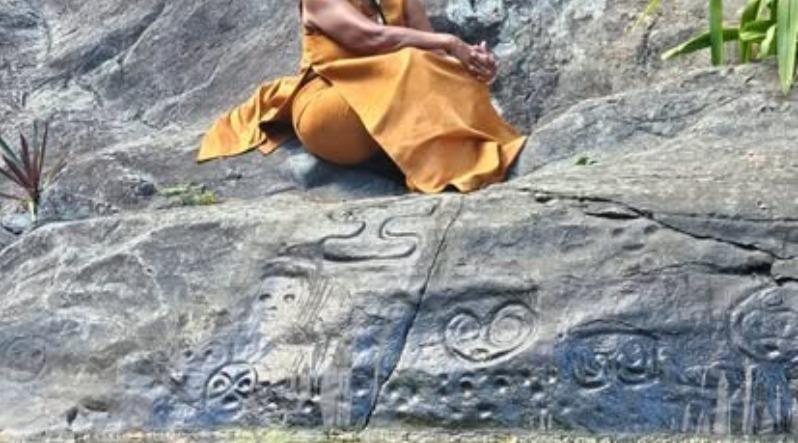
The Reef Bay Trail is one of St. John’s most iconic hikes, taking you from the island’s lush interior down to the quiet shoreline. Along the way, you’ll pass through dense tropical forest, remnants of old sugar estates, and eventually reach the famous ancient petroglyphs—mysterious rock carvings left behind by the island’s earliest inhabitants. It’s a rewarding journey that blends natural beauty with deep cultural history.
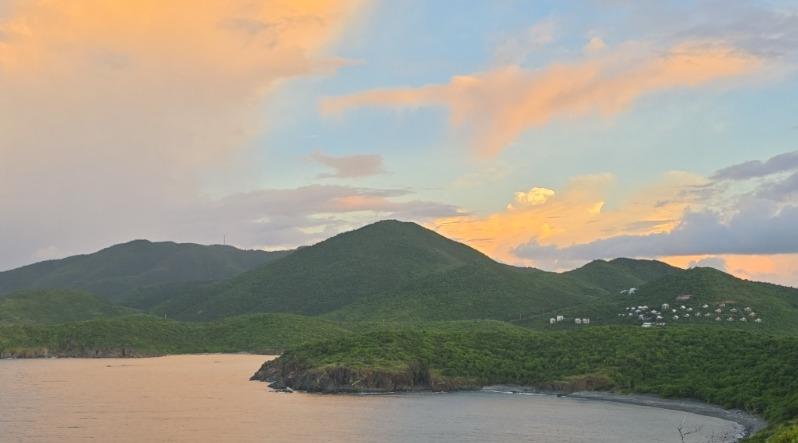
The Ram Head Trail offers one of the most dramatic and unforgettable viewpoints on the island. This hike takes you out to the southeastern tip of St. John, where rugged cliffs meet the crashing blue waters of the Caribbean and Atlantic. The final stretch opens up to panoramic views that feel truly untouched—perfect for sunrise, sunset, or just taking in the raw beauty of the island.
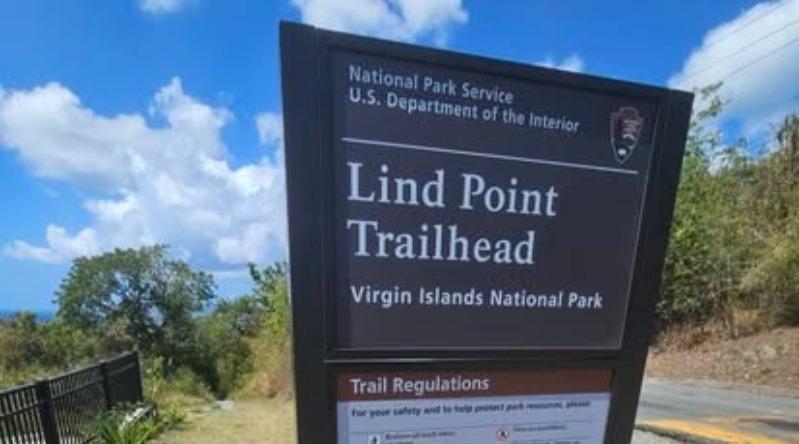
The Lind Point Trail is a favorite for its accessibility and stunning scenery. Starting just minutes from Cruz Bay, this trail winds along the coastline and leads to the pristine shores of Salomon Bay and Honeymoon Beach. With gentle elevation and beautiful overlooks along the way, it’s an easy yet incredibly rewarding hike for visitors of all levels.
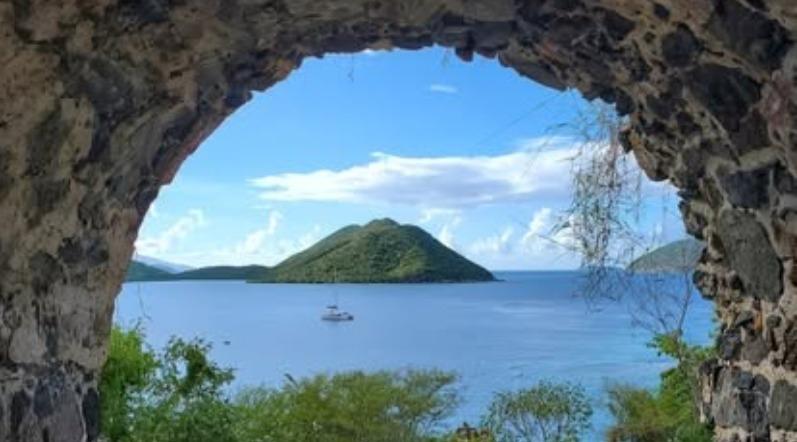
The Leinster Bay Trail is a unique blend of coastal beauty and island history. This relatively easy walk follows the shoreline past old sugar mill ruins and through peaceful mangroves, eventually leading toward Waterlemon Cay—one of the best snorkeling spots in St. John. It’s the perfect combination of a scenic stroll and a chance to explore the island’s past.
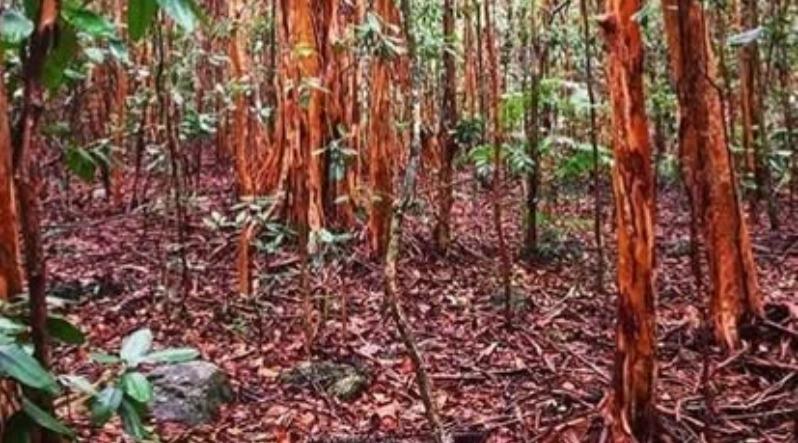
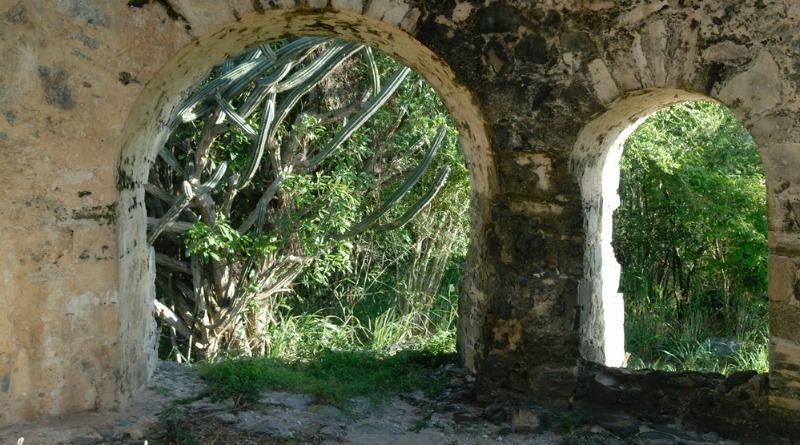
The Cinnamon Bay Trail and ruins offer a glimpse into St. John’s colonial history set against one of its most stunning beaches. As you explore the area, you’ll come across well-preserved plantation ruins surrounded by lush greenery. Pairing a light hike with time on the soft sands of Cinnamon Bay makes this a must-do experience for both history lovers and beachgoers.
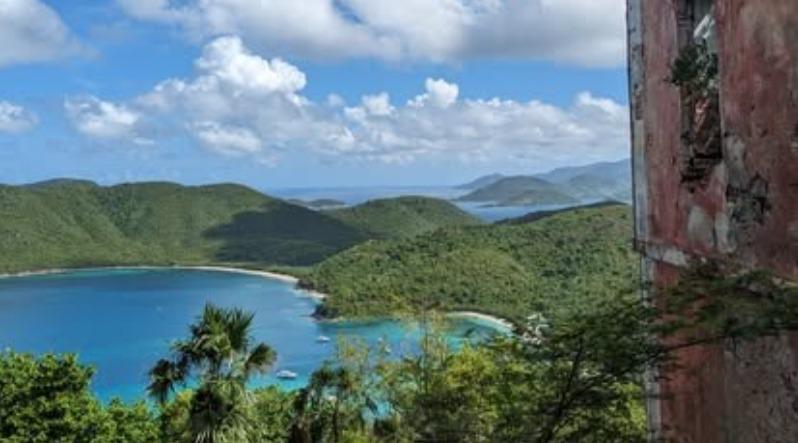
For those looking for a bonus adventure, the America Hill Trail delivers incredible elevated views with fewer crowds. This hike climbs to the ruins of an old plantation and rewards you with sweeping vistas over Coral Bay and the neighboring British Virgin Islands. It’s a quieter, off-the-beaten-path option that feels like discovering a hidden side of St. John.
Virgin Islands National Park: The Heart and Soul of St. John, USVI
Few places in the Caribbean capture the imagination quite like Virgin Islands National Park on St. John, USVI. With powder-soft white sand beaches, turquoise Caribbean water, tropical hiking trails, coral reefs, historic sugar plantation ruins, and panoramic island views, the park is more than just protected land — it is the very soul of St. John itself. Covering nearly two-thirds of the island, Virgin Islands National Park is one of the main reasons travelers from around the world fall in love with St. John and return year after year.
For many visitors, the first glimpse of Trunk Bay, Maho Bay, Cinnamon Bay, or Hawksnest Beach feels almost unreal. The water is impossibly clear, the hills remain untouched by large-scale development, and the island still carries an authentic Caribbean atmosphere that has become increasingly rare throughout the region. What many guests don’t realize, however, is that the park’s history runs far deeper than beautiful beaches and snorkeling. Virgin Islands National Park is layered with centuries of Caribbean culture, island resilience, colonial history, and local traditions that continue shaping life on St. John today.
The Creation of Virgin Islands National Park
Virgin Islands National Park was officially established in 1956 through the efforts of philanthropist Laurance Rockefeller, who recognized the extraordinary beauty of St. John and feared the island could eventually become overdeveloped like many other Caribbean destinations.
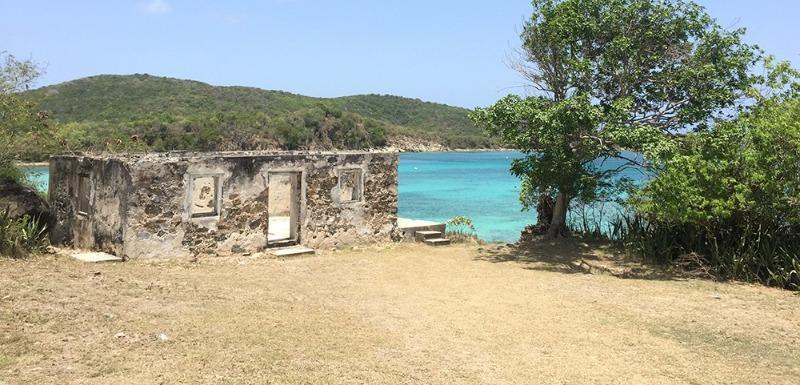
Rockefeller purchased thousands of acres of land across the island and donated much of it to the National Park Service to preserve St. John’s natural beauty for future generations.
At the time, St. John was far quieter and less developed than today. Roads were limited, electricity was inconsistent in some areas, and much of the island’s economy centered around fishing, small-scale agriculture, and close-knit island communities. While the creation of the park helped protect the beaches, reefs, and forests visitors now treasure, it also deeply impacted local families whose history on the island stretched back generations.
That local side of the story is still remembered today by longtime St. Johnians. Many families had deep roots tied to the land that became part of the National Park. Homesites, grazing areas, farms, fishing spots, and family traditions were suddenly affected as federal ownership expanded. While the park preserved the island’s beauty, it also changed the way many local residents interacted with the land their families had known for centuries. This balance between preservation and local identity continues to shape conversations on St. John even today.
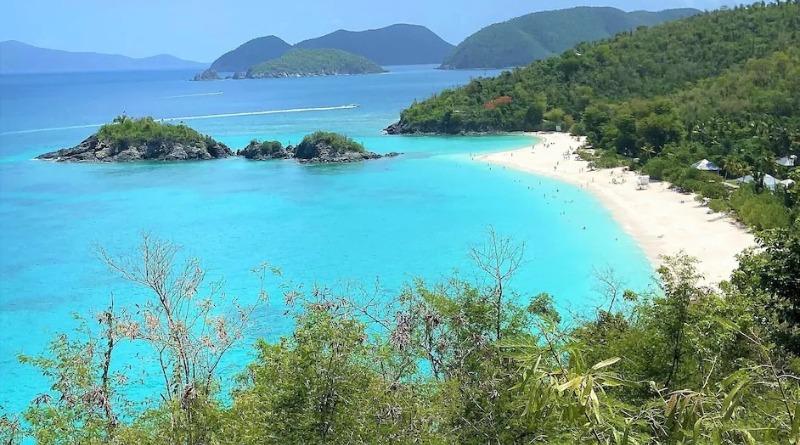
The Beaches That Made St. John Famous
Today, Virgin Islands National Park protects some of the most famous beaches in the Caribbean. Trunk Bay remains the island’s most iconic destination, known worldwide for its underwater snorkeling trail, crystal-clear water, and postcard-perfect scenery. Maho Bay has become famous for calm water and sea turtle sightings, attracting families and snorkelers from around the world. Cinnamon Bay offers one of the longest stretches of beach on the island, while Hawksnest, Francis Bay, Salt Pond Bay, Honeymoon Beach, Jumbie Beach, and Oppenheimer Beach each offer their own unique island personality.
Unlike many Caribbean destinations dominated by large resorts and crowded beaches, St. John still feels natural and peaceful because of the National Park’s protection. Visitors can drive from Cruz Bay to Coral Bay and still experience untouched shoreline, tropical forest, and scenic overlooks with very little commercial development interrupting the landscape.
That untouched beauty has also made St. John one of the most desirable destinations for luxury villas, destination weddings, snorkeling vacations, hiking adventures, and eco-tourism throughout the Caribbean.
Hiking Trails, Ruins & Hidden History
While most visitors first come for the beaches, many quickly discover the incredible hiking opportunities throughout Virgin Islands National Park. The island contains miles of trails winding through tropical forest, historic plantation ruins, and scenic overlooks that reveal another side of St. John’s story.
The Reef Bay Trail remains one of the most famous hikes on the island, leading visitors through dense tropical vegetation to ancient petroglyphs carved by the Indigenous Taíno people long before European colonization. The trail also passes the ruins of old sugar plantations that remind visitors of the island’s colonial and enslaved labor history.
Annaberg Plantation is another important historic site within the park. The partially restored sugar mill ruins overlook Leinster Bay and offer one of the clearest windows into the island’s plantation era. During the 1700s and 1800s, sugar production dominated much of the Caribbean economy, including St. John. Enslaved Africans were forced to work these plantations under brutal conditions, and their descendants remain an important part of Virgin Islands culture and identity today.
Locals often say the ruins are not simply tourist attractions — they are reminders of the island’s full history, both beautiful and painful.
Other favorite trails include:
- Lind Point Trail to Honeymoon Beach
- Ram Head Trail
- Cinnamon Bay Nature Trail
- Brown Bay Trail
- America Hill Trail
- Leinster Bay Trail
Each offers a different perspective on the island’s geography, wildlife, and hidden beauty.
The Local Spirit of the Park
What truly makes Virgin Islands National Park special is not only the scenery — it’s the spirit of the island itself. St. John still carries a slower pace of life that many visitors find deeply refreshing. Locals wave while driving, beach bars become gathering places, and conversations often happen barefoot with a cold drink overlooking the Caribbean Sea.
Many visitors arrive expecting only beaches and sunshine but leave feeling emotionally connected to the island itself. That connection comes from the combination of natural beauty, local culture, island history, and the sense that St. John has managed to preserve something authentic in a rapidly changing world.
Even today, longtime residents still speak about old family roads, fishing traditions, hurricane stories, local nicknames for beaches, and memories tied to areas now protected inside the National Park boundaries. In many ways, the park is not separate from island life — it is woven directly into it.
Why Virgin Islands National Park Matters Today
As Caribbean tourism continues growing, Virgin Islands National Park has become one of the most important protected areas in the region. Without the park, much of St. John could easily have transformed into heavily developed coastline lined with high-rise hotels and overcrowded resorts.
Instead, visitors can still stand at overlooks above Cinnamon Bay, hike through tropical forest to hidden beaches, snorkel vibrant reefs, and experience a Caribbean island that still feels connected to nature.
For travelers visiting St. John today, the National Park is far more than a sightseeing destination. It shapes nearly every part of the island experience — from beaches and hiking to snorkeling, boating, wildlife, photography, weddings, and luxury villa vacations.
Whether you are visiting Trunk Bay for the first time, hiking to ancient ruins, snorkeling beside sea turtles, or simply watching the sunset from a quiet beach, Virgin Islands National Park becomes part of the memory of St. John itself.
And for many visitors, once you experience it, a piece of the island stays with you forever.

Quick Links
Contact
E-Newsletter
Copyright © 2026 Caribbean Soul Vacations. All Rights Reserved. Web Design by InterCoastal Net Designs